In this guide
Choosing a 24‑degree hybrid can transform your long game, delivering a high launch, strong distance, and forgiving miss-hits. The following five options sit around 24 degrees, offering a balance of speed, control, and turf interaction for American golfers at various skill levels. This guide highlights standout hybrids from reputable brands and explains what to look for when adding a 24-degree club to your bag. If you’re replacing long irons or seeking a reliable rescue from tight lies, these clubs are designed to perform consistently from fairways and rough alike.
| Product | Brand | Loft | Key Strength |
|---|---|---|---|
| Cleveland Halo XL Hybrid | Cleveland Golf | 24° | XL Face, low-deep weighting, strong forgiveness |
| LAZRUS Premium Hybrid | LAZRUS GOLF | 24° (5 Hybrid) | Graphite shafts, broad loft range, budget-friendly |
| TaylorMade Qi10 Rescue #4 | TaylorMade | 22° | Perimeter MOI, Inverted Cone, Speed Pocket |
| Pinemeadow Excel EGI Hybrid | Pinemeadow Golf | 25° | Expanded loft set, bigger sweet spot |
| MAZEL Rescue Hybrid 3–5 | MAZEL | Various (3–5 hybrids) | Forgiving, aerodynamic head, deeper body |
Cleveland Halo XL 24-Degree Hybrid

The Cleveland Halo XL Hybrid uses MainFrame XL Face Technology, which employs a variable thickness pattern to maximize face flex at impact. This design helps generate more distance on off-center hits while maintaining consistency. The weight is repositioned low and deep in the clubhead, contributing to forgiveness and stability through the swing. This combination is especially helpful for players who miss toward the toe or heel but still want reliable distance and launch.
GlideRail Technology is another standout feature. Three rails along the sole help the club glide cleanly through turf, reducing face twisting at impact and keeping the face more square through contact. This design aims to deliver smoother turf interaction and straighter results, even on marginal lies. The result is less dispersion and more control on approach shots from fairways and light rough.
With an improved XL head design, Cleveland packs additional moment of inertia into the structure, along with a low‑and‑deep weighting profile. The result is long, high‑launching ball flight and forgiveness that can help players recover from wayward shots. For players seeking a 24° option that blends distance with reliability and easy launch, this model remains a strong contender in the 24-degree segment.
LAZRUS Premium 24-Degree Hybrid

LAZRUS markets its hybrids as singles with graphite shafts, offering a budget-friendly path to adding a versatile club to your bag. The lineup includes a 24-degree option among a broad loft range, providing players with a high-launch alternative for mid-to-long range approach shots. The graphite shaft choice helps with lighter swing weights and a smoother feel, which can translate to more consistent contact for many players.
The loft spectrum available with Lazrus hybrids spans from roughly 15° up to 40°, including a 24° variant. This wide selection supports players of different swing speeds and launch preferences. The company emphasizes value and quality, aiming to deliver reliable performance at a more accessible price point than some premium brands, while maintaining a similar look and feel at address.
Design-wise, the Lazrus 24° option focuses on forgiving, stable performance with a goal of easier distance control. The head geometry and weight distribution are tuned for steadier turf interaction, helping ensure the face remains square through impact. For players seeking a 24° club that won’t break the bank, Lazrus offers a practical option with broad availability and positive feedback from recreational golfers.
TaylorMade Qi10 Rescue #4 22 Degree Hybrid
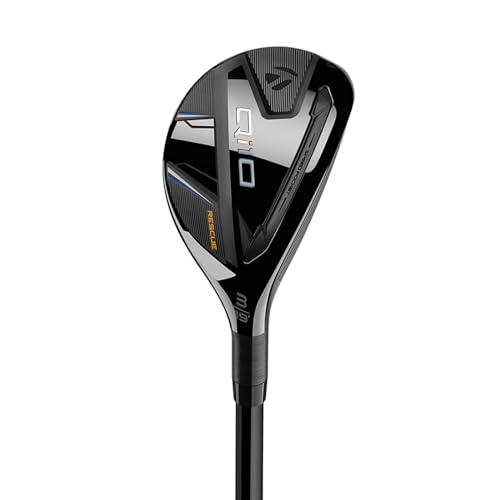
TaylorMade’s Qi10 Rescue series emphasizes perimeter mass and face area to promote forgiveness. The 22-degree model features a 270° crown construction, which redistributes mass toward the perimeter to boost MOI and stability at impact. The club is designed to help maintain ball speed across the face, even on off-center hits, making it a viable option for players aiming to fill the 22–24 degree gap in their bag.
Inverted Cone Technology (ICT) is tailored for each club to optimize coefficient of restitution (COR) across the entire face. This individualization supports more consistent launch and ball speed on off-center hits, particularly for players who need more help getting the ball airborne. The Qi10’s design also leverages a Speed Pocket concept to enhance ball speed and improve spin characteristics on shots struck low on the face, delivering reliable performance under a variety of conditions.
Weight placement along the club’s edges is intended to boost MOI and stability, helping shots stay online when the swing path isn’t perfect. While this model sits at 22 degrees rather than 24, the combination of MOI, face technology, and pocket design makes it a practical option for players seeking a slightly lower loft with strong forgiveness and distance continuity.
Pinemeadow Excel EGI Hybrid 25-Degree

The Pinemeadow Excel EGI Hybrid is built to support a hybrid‑dominant approach to replacing irons. With lofts that cover multiple gaps from 3 hybrid to PW hybrid, it offers a flexible path for players who want to trade in irons for consistent hybrids across the set. The 25‑degree option sits just above the classic mid‑gap, providing a tame launch with ample height, making it a strong performer for those seeking easier trajectory control from mid‑long range shots.
These hybrids are known for a bigger sweet spot and a well-distributed weight profile, contributing to more forgiving impact across a variety of lies. The overall design supports a broad swing footprint, enabling players to get solid contact whether they’re addressing a tight fairway lie or a rough fringe. The EGI line is positioned as an approachable option for players upgrading from irons or building a hybrid-focused bag strategy.
In addition to loft options, the EGI family emphasizes value and accessibility. The 25‑degree model is compatible with both right- and left‑handed play, and graphite shafts deliver a lighter feel to support smoother tempo for a wide range of golfers who want consistent distance control without sacrificing accuracy.
MAZEL Rescue Hybrid 3–5

MAZEL’s Rescue Hybrid lineup emphasizes ease of use with a traditional hybrid profile that covers 3, 4, and 5 hybrids. The set is designed to deliver higher launch and improved forgiveness without sacrificing long iron accuracy. The aerodynamic head is intended to reduce air resistance during the swing, helping players achieve faster speeds and more consistent contact across different lie conditions.
The head geometry is refined to maximize forgiveness through a slightly deeper body and longer blade length, increasing stability on off-center hits. This approach can help players with slower swing speeds generate cleaner contact and a more consistent ball flight. Graphite shafts accompanying these models contribute to lighter swings and better tempo, making the MAZEL Rescue hybrids a practical choice for players seeking reliable distance with approachable forgiveness.
If you prefer a more traditional hybrid feel with straightforward performance, MAZEL’s 3–5 set provides versatile loft options while focusing on accuracy and ease of use. The combination of aerodynamic design, deeper body geometry, and lighter material helps players maintain confidence across a wide range of yardages, making it a solid choice for those targeting a 24-degree style of distance and control in their bag.
Buying Guide
When selecting a 24-degree hybrid, start by aligning loft with your bag and typical yardages. A 24‑degree option often serves as a bridge between higher-goal approach shots and longer fairway woods, so consider how the new club will fill gaps in your current lineup. If you frequently battle slices or need help getting the ball airborne from rough lies, forgiveness and MOI (moment of inertia) should be high priorities.
- Forgiveness versus workability: Higher MOI and more perimeter weighting improve off-center performance, but some players prefer a more compact head for shot-shaping. Evaluate how much you value straightness on mishits versus control on draw/fade shapes.
- Turf interaction and sole design: A sole with rails or wide cambered edges can help clean turf contact on tight lies. If you play in sandy or soft conditions, a sole that reduces digging can save swing timing and consistency.
- Shaft choice and flex: Graphite shafts are common in hybrids for lighter feel and smoother tempo. Align shaft flex with your swing speed and tempo to optimize launch and ball speed. Faster swingers may prefer stiffer flex; slower speeds benefit from a softer feel with higher launch.
- Head shape and size: A larger head with a forgiving face offers a bigger sweet spot, whereas a more compact head provides precision for stronger players. Your comfort at address and the ability to square the face through impact are key indicators of suitability.
- Loft proximity and bag gaps: If your 3-iron or long iron gap is too wide, a 24-degree hybrid can be a strong replacement. Consider how many degrees you need to cover your next gap to ensure you’re not duplicating other clubs.
- Budget and brand ecosystem: While premium brands offer advanced features, many value-oriented hybrids deliver dependable performance at a lower price. Decide whether you want flagship technology or solid all-around performance at a lower cost.
What to watch for in a 24-degree hybrid
Look for an effective combination of distance, launch, and forgiveness. Features like carefully engineered face thickness, perimeter weighting, and sole geometry can influence consistency across a wide range of lies. A 24-degree option should offer a stable launch, manageable spin, and a comfortable feel that encourages confident swings rather than compensating for mis-hits.
How to test and compare
If possible, test several models with similar characteristics side by side. Focus on: how easy it is to get the ball airborne from different lies, how the club feels at impact, and how stable your shot direction remains on mishits. A simple yardage comparison on the range can help you visualize how a 24-degree hybrid integrates with your current bag and swing speed.