In this guide
- LAZRUS Premium 9 Iron
- MAZEL 9-Iron (Individual)
- Callaway Paradym AI 9 Iron
- XingGM XM-01 9 Iron
- KVV Graphite 9-Iron
- Buying Guide
- Key Shaft Materials
- Shaft Flex And Length
- Forgiveness Versus Workability
- Clubhead Design And Technology
- Set Composition And Hand Orientation
- Durability, Warranty, And Brand Support
- Practical Comparisons For The Five Models
Whether you’re a weekend golfer seeking reliable contact or a player aiming to shave strokes from your approach game, the right 9‑iron can transform accuracy and confidence on the course. This guide highlights five popular 9‑iron options that balance distance, forgiveness, and feel. From budget-friendly irons to AI-designed models, each option offers a distinct approach to control, launch, and durability for right-handed players with varying swing speeds. Use this overview to compare shaft material, center of gravity, and milling features that influence accuracy and consistency across your short game. Below is a quick product snapshot, followed by in-depth sections for each club and a practical buying guide.
| Product | Brand | Key Feature |
|---|---|---|
| Lazrus Golf Premium 9 Iron | LAZRUS GOLF | Budget-friendly premium quality with regular flex steel shaft; everyday golf iron |
| MAZEL 9-Iron (Individual) | MAZEL | Low CG for easy launch; CNC face for improved accuracy |
| Callaway Paradym AI Smoke 9 Iron | Callaway | AI Smart Face balancing distance, control, and precision |
| XingGM XM-01 9 Iron | XINGGM | CNC grooves; low CG; durable steel shaft |
| KVV Graphite 9-Iron | KVV | Graphite shaft; lighter weight; cavity-back forgiveness |
LAZRUS Premium 9 Iron
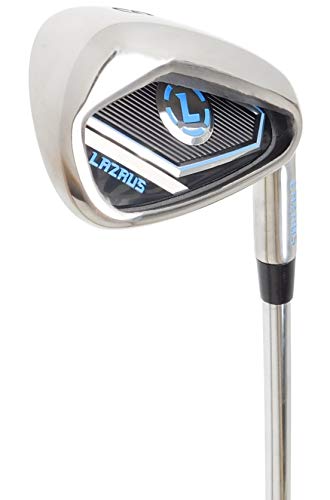
The Lazrus 9‑iron is positioned as a budget-friendly option that still emphasizes quality construction. It’s part of a broader line that includes 1, 2, 3, 4, 6, 8, and 9 irons, all built with a regular flex steel shaft to suit a wide range of players. Manufactured in facilities that produce higher-end sets, this iron aims to deliver solid feel, dependable accuracy, and consistent distance without a premium price tag. The result is a practical choice for players who want reliable performance on approach shots without paying extra for premium branding.
Designed for everyday golfers and weekend players, this 9‑iron emphasizes stability and control. The club’s construction prioritizes a predictable turf interaction and solid feedback at impact, helping players build confidence around the greens. While it may not include the newest AI features or exotic materials found in top-tier lines, it stands out for value, durability, and a straightforward performance profile that appeals to budget-conscious buyers seeking reliable approach shots with a traditional iron feel.
MAZEL 9-Iron (Individual)

The MAZEL 9‑Iron emphasizes performance features designed to improve consistency for a broad range of players. Its low center of gravity is intended to promote an authoritative launch, helping golf balls rise quickly off the tee or off the turf with steadier flight. The trailing-edge geometry supports turf interaction that minimizes digging, which can lead to cleaner contact on fairway shots. A CNC milled face is specified to enhance precision across strikes, contributing to reliable distance control and repeatable results when you reach theApproach threshold of the greens.
With a focus on control and durability, the MAZEL iron uses a robust build and precise milling to support accuracy for players who value consistent ball flight. This iron targets right-handed players seeking a practical balance of launch, forgiveness, and feedback. While it occupies a mid-range price tier, the combination of low CG, turf-friendly design, and CNC face helps deliver predictable results that can support steady improvement around the greens and on approach plays.
Callaway Paradym AI 9 Iron

The Callaway Paradym AI Smoke 9‑Iron represents a higher-end option that leverages Callaway’s AI-driven face technology. The AI Smart Face is designed to balance distance, control, and precision by adjusting the face geometry to optimize ball speed and spin characteristics for a variety of on-course conditions. The hollow-body design further contributes to forgiveness and feel, delivering a more forgiving strike on off-center hits while preserving feel and control at impact. This iron is well-suited for players who want cutting-edge face technology in a single 9‑iron.
Offered as a right‑handed 9‑iron with a steel shaft and regular flex, Paradym AI aims to deliver a confident feel on approach shots and around the green. While it sits at a premium price point, the combination of AI-driven face optimization and modern hollow-body design can translate to noticeable performance gains for players willing to invest in a more technologically advanced iron. It’s particularly appealing to players who prioritize distance consistency and refined feedback on mid-range to long approach shots.
XingGM XM-01 9 Iron

The XM-01 9‑Iron from XINGGM emphasizes precision manufacturing features designed to enhance control and consistency. CNC milled grooves are highlighted for improved accuracy, helping players align and strike with repeatable contact. A low center of gravity design promotes easier launches, which can be especially helpful for players with slower swing speeds or those looking to elevate consistency in their approach shots. The iron is built with a durable steel shaft and is oriented toward right-handed players seeking dependable performance in a single, well-fitting club for the bag.
In practice, the XM‑01 9‑Iron is geared toward players who value a blend of targeted control and practical forgiveness. The combination of CNC grooves, low CG, and robust build supports shot-shaping potential while maintaining a forgiving feel on off-center strikes. This makes it a practical option for players who want a reliable 9‑iron that can support both solid approach play and consistent contact in a variety of course conditions.
KVV Graphite 9-Iron

The KVV Graphite 9‑Iron mixes a lightweight graphite shaft with a cavity-back head to offer forgiveness and smoother swing dynamics. The graphite construction reduces overall club weight by about 25%, which can help players with moderate swing speeds generate smoother, more controllable tempos. The deep CG positioning and weight distribution aim to promote easier launches and steadier contact, particularly for players who benefit from a lighter feel at impact. The model’s design includes practical durability and reliability for regular practice sessions and on-course play.
Notably, this iron lineup includes women-friendly specifications, featuring a shorter shaft and flexible graphite materials that can enhance weight transfer and ball flight consistency for players with smaller frames. The result is a practical option for players who prioritize a lighter overall feel, dependable forgiveness, and a club that can support comfortable, repeatable shots on approach plays from various lies.
Buying Guide
Key Shaft Materials
Two common choices are steel and graphite. Steel shafts typically offer stronger feedback and stiffness for players with faster swing speeds, translating to precise distance control. Graphite shafts are lighter, which can more easily promote faster swing speeds and higher ball flight, especially beneficial for players with slower tempos or those seeking easier access to a high launch. If you struggle with fatigue or have a slower swing, graphite may improve your consistency. If you value feel and control on mid-to-long approach shots, steel remains a solid option.
Shaft Flex And Length
Shaft flex (regular, stiff, or senior) should match your swing speed. A slower tempo generally benefits from a more flexible shaft, while a faster swing speed often requires stiffer shafts for accuracy. Length should fit your posture and the return arc of your swing; too-long or too-short irons disrupt alignment and impact. When considering a single 9‑iron versus adding it to a full set, ensure the club’s lie angle and length align with your other irons to maintain a consistent stance and contact pattern.
Forgiveness Versus Workability
Cavity-back irons tend to offer more forgiveness on off-center hits due to a larger sweet spot, while blade-style irons prioritize shot shaping and feel. For higher handicaps or players rebuilding consistency, forgiving designs—often with perimeter weighting or thicker toplines—can help maintain confidence. For players who enjoy shaping shots or have a faster swing, models with thinner toplines and less perimeter weight might deliver preferred workability.
Clubhead Design And Technology
Consider features such as CNC milled faces, tungsten weighting, or AI-enhanced faces. CNC milling improves precision and consistency across the clubface, while weight distribution and face geometry can influence launch, spin, and feel. Hollow-body designs typically offer more forgiveness and lighter weights, contributing to higher launch and sometimes greater distance control on mid-range shots. AI-driven faces aim to optimize ball speed and spin for consistent profitability across the face, though the perceived benefits vary by individual swing.
Set Composition And Hand Orientation
Decide whether you want a single 9‑iron or a complete iron set. A single 9‑iron can be useful for testing feel and performance or complementing a full set, while a complete set ensures consistent shaft material, loft gaps, and lie angles across your bag. Most models are offered in right‑handed configurations; left‑handed options are available in many lines but can be more limited. Verify grip size and overall weight to match your hand size and comfort level for longer practice sessions.
Durability, Warranty, And Brand Support
Durability depends on head material, shaft quality, and finish coatings. Some brands offer warranties that cover defects or wear with regular use, which can influence long-term value. Consider a brand’s reputation for product availability, service, and compatibility with other irons in a set you might own. Warranty terms and customer service quality can provide peace of mind as you practice and play across different courses and weather conditions.
Practical Comparisons For The Five Models
For budget-conscious buyers, Lazrus offers solid core performance with a focus on value and reliability, making it a strong introductory option. Mazed by its low CG and CNC face, the MAZEL line aims to simplify launch and accuracy, appealing to players seeking straightforward results. Callaway’s Paradym AI 9‑Iron kicks up technology with AI-based face balancing and hollow-body design for higher-end performance and refined feel. XingGM’s XM‑01 emphasizes precision manufacturing for control and durability, while KVV’s graphite model targets slower swing speeds with lighter weight and forgiveness, including women-friendly adjustments. Each choice prioritizes different aspects of forgiveness, feel, and technology, so align features with your typical on-course needs.