In this guide
For golfers seeking improved ball visibility, selecting the right UV-protected, glare-reducing sunglasses matters. This guide highlights five top choices that help you track flight, read the greens, and stay comfortable across 18 holes. The recommended options are best for players who play sunny courses, value lightweight frames, and want reliable polarization to cut glare without washing out depth perception.
Summary of chosen products
- Arttodo Golf Sunglasses — Best for broad face shapes and lightweight performance
- Bloomoak Sport Golf Sunglasses — Best for anti-fogging ventilation and clarity
- Nanrton Golf Sunglasses (Blue Mirror) — Best for glare control and all-day wear
- Nanrton Golf Ball Finder (Orange Mirror) — Best for ball-tracking in bright light
- maivnz HD Lightweight Golf Sunglasses — Best for HD color enhancement and fairway contrast
Arttodo Golf Sunglasses

Features include Dark Green Mirror Coating Polarized Lenses with UV400 protection, reducing blinding glare while preserving grass texture for every shot. The lenses are lightweight (about 18g) and designed for impact resistance with a polycarbonate frame. The frame’s flexible, balanced coverage and adjustable hinges make them suitable for a wide range of face shapes. Best for: golfers who want a light, durable pair that maintains clarity on sunny days. Caution: check fit if you have a very narrow face, as coverage may differ slightly by shape.
Bloomoak Sport Golf Sunglasses
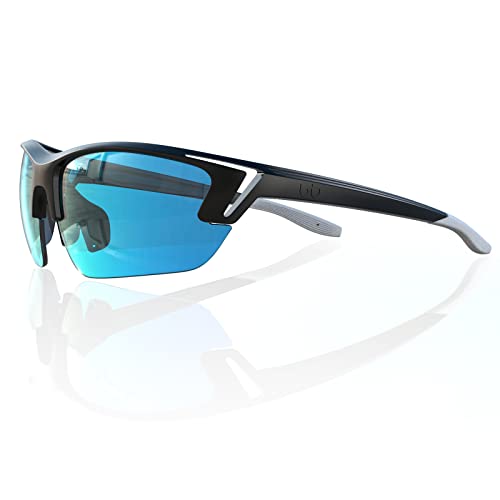
The Bloomoak model features a blue mirror lens with shatterproof polycarbonate material and 2.0mm scratch-resistant lenses. Its vented, semi-rimless frame reduces fogging and breathes well during swings. Weighing only about 26 grams, the TR-90 frame provides adjustable ear pieces for a secure, all-day fit. Best for: players who struggle with fogging and want reliable moisture management in bright sun. Limitation: vented design may let in more wind noise in gusty conditions.
Nanrton Golf Sunglasses (Blue Mirror)

These sunglasses use polarized UV400 blue mirror lenses to cut harsh glare from bright fairways and water. The 18g lightweight frame supports long rounds without excessive pressure. The polycarbonate lenses offer impact resistance for active use. Best for: golfers seeking strong glare control with minimal weight and clear color perception. Caution: some users may prefer a deeper frame for larger faces, as coverage varies with shape.
Nanrton Golf Ball Finder (Orange Mirror)

Ball-finding focus comes from polarized UV400 orange mirror lenses that reduce glare off grass and open fairways, helping you track flight in bright conditions. At 18g, the frame stays comfortable through practice and round play. Best for: players who want enhanced ball visibility in sunlit courses. Limitation: orange tint may alter color perception for some greens in certain lighting.
maivnz HD Lightweight Golf Sunglasses

maivnz offers premium HD color-enhancing lenses that amplify contrast between white golf balls and green fairways. The lenses provide UV400 protection and high impact resistance, designed for all-day wear. Best for: golfers who want scene-enhancing optics without sacrificing skin or eye safety. Caution: color enhancement may slightly shift perceived ball color on very bright greens.
Buying Guide
Key purchase considerations for golf glasses:
- Lens type and color: Polarized lenses reduce glare; color mirrors (blue, orange) affect contrast and ball visibility differently across courses.
- UV protection: Look for UV400 lenses to block both UVA and UVB rays for extended outdoor play.
- Weight and fit: Lightweight frames reduce fatigue; adjustable hinges or nose pads improve comfort across different face shapes.
- Frame durability: Polycarbonate lenses are impact-resistant and suitable for dynamic sports like golf.
- Ventilation and fog resistance: Vented frames help reduce fogging on humid or damp days, but consider wind exposure on exposed greens.
- Face shape compatibility: Wider coverage may suit many face shapes, while narrower frames might be better for smaller faces and under helmets or visors.
- Convenience: Ultra-light models are ideal for long rounds; consider fit stability during a full swing with adjustments as needed.
How to choose based on common scenarios
- Bright, sunny courses with glare off water or white sand: lean toward polarized lenses with blue or orange mirrors for contrast and glare reduction.
- Players who frequently lose line-of-sight on shots: opt for lenses that sharpen edge and grass texture without overly darkening the scene.
- For beginners seeking all-day comfort: prioritize light frames with adjustable features and scratch-resistant coatings.
- Faces that experience fogging: select vented designs or anti-fog features to maintain clear vision between shots.
FAQ
- Do golf sunglasses really help see the ball better?
Yes. Polarized and color-enhancing lenses improve glare reduction and grass contrast, aiding ball tracking in bright conditions.
- Is UV protection essential for golf sunglasses?
Yes. UV400 protection helps shield eyes during long rounds outdoors, reducing cumulative UV exposure.
- Will a lighter frame affect durability?
Lightweight frames can offer equal durability when made from high-quality polycarbonate or TR-90 materials.
- Should I prefer mirrored lenses for golf?
Mirrored lenses can improve glare control; however, color perception may vary by lens tint and lighting.
- How should I fit golf sunglasses for best results?
Look for a snug, non-slip fit with adjustable temples and a secure nose bridge to prevent movement during swings.