In this guide
Finding a ball with minimal backspin can help you maximize distance and maintain a straighter flight off the tee. This guide highlights five low-spin options suitable for different player types, from casual golfers to more advanced players seeking consistent greenside control. Each product section explains who it’s best for, why it was chosen, and any practical caveats to consider before buying. The quick summary table below helps you compare core characteristics at a glance.
| Product | Best For | Key Benefit |
|---|---|---|
| Legato LTX3085 | Players seeking distance with soft feel | 3-piece design with low spin on long shots |
| Wilson Profile Distance | Beginners to intermediate players | Low compression for soft feel and reduced spin |
| Amazon Basics Core Soft | Budget-conscious players prioritizing control | Low compression plus alignment aid |
| P*ss Missile Distance Balls | Players wanting straight, long drives | 4-layer core designed to lower spin |
| Full Choice Practice Balls | Indoor/outdoor practice with visibility | Controlled flight for safe practice, high visibility |
Legato LTX3085 | Maximized Distance With Soft Feel
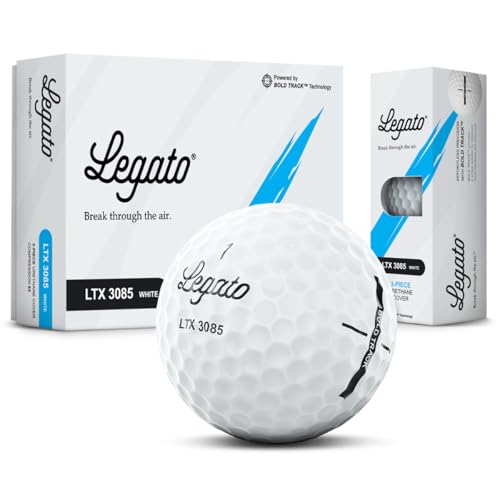
The Legato LTX3085 is a 3-piece ball designed to maximize distance with a soft feel. Its 85 compression aims to deliver energy transfer for longer shots while maintaining control around the greens. The design emphasizes lower spin on long drives, making it favorable for players seeking straighter distance without sacrificing feel near the scoring area.
Best for: Mid-to-high swing speeds seeking consistent, lower spin off the tee with a softer touch around the greens. It’s a practical pick for players who want reliable flight and distance without a hard feel.
Why chosen: The combination of a designed three-piece structure and an 85 compression profile translates into a stable flight that minimizes unnecessary spin on long shots while still offering workable greenside performance. The feature set aligns with a low-spin objective and predictable trajectory.
Caution: As a mid- to high-compression ball, players with very slow swing speeds may not notice the same distance gains as higher-speed players. Test for feel and flight to ensure it matches your swing.
WILSON Profile Distance Golf Ball 36 Pack
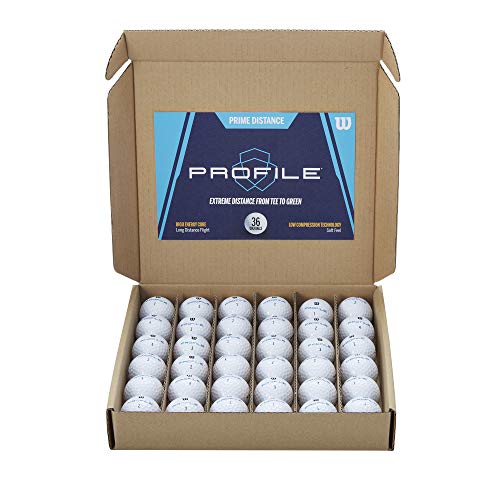
The Wilson Profile Distance ball uses a high-energy core with low compression to deliver a soft feel while keeping spin in check on long shots. Its inner cover is designed to reduce ball spin, helping maximize distance for players who want reliable flight without a pronounced warp in trajectory.
Best for: Beginners and recreational players who want a balance of distance and soft feel with straightforward greenside performance. The lower spin on launches can lead to more forgiving, straighter drives.
Why chosen: The low-compression design paired with a tuned inner cover emphasizes reduced backspin on drives, aligning with the goal of lower spin without sacrificing distance or control around the green.
Caution: This is a larger-pack option; ensure you’re comfortable managing more balls during practice or rounds to avoid excess waste or clutter in bags or practice areas.
P*ss Missile Distance Golf Balls, Dozen

Piss Missile Distance Balls use a 4-layer construction with a high-compression core and Surlyn cover to promote higher velocity with lower spin. The design aims for a straighter, more penetrating ball flight and pronounced distance off the tee, making it a suitable option for players focused on maximize yardage through reduced spin.
Best for: Players who want a straightforward, high-velocity ball that minimizes spin to reduce slicing and promote straight drives. Audience includes those chasing long-distance performance with a simple, visible yellow ball for easy tracking.
Why chosen: The lower spin off the tee can help flatten the trajectory and reduce curvature, supporting players who prefer a more direct flight path with consistent distance.
Caution: The higher compression core may feel firmer to players with very slow swing speeds. Check your feel preference before committing to a firm core design.
Full Choice Practice Golf Balls (20 Pack)

Full Choice Practice Balls are a budget-friendly option for practice sessions. Made from premium soft EVA material, these balls are designed to resist cracking and deformation, making them durable for repeated use in indoor and outdoor drills. They are engineered for controlled flight to keep practice safe in confined spaces and reduce noise on impact.
Best for: Practicing at home, in practice facilities, or in smaller spaces where distance realism is secondary to repeatable swings and visibility. Ideal for beginners who want a low-cost way to develop swing mechanics without worrying about high spin on mis-hits.
Why chosen: They provide a practical practice solution with predictable flight and soft impact, helping players focus on mechanics rather than chasing spin dynamics during training.
Caution: As practice balls, these are not designed for scoring conditions; performance and spin won’t match that of premium on-course balls.
Buying Guide: Choosing the Right Low-Spin Golf Ball
What matters most when selecting a low-spin ball? Consider your swing speed, typical shot shapes, and where you need the most help—distance, control, or greenside spin. Here are practical questions and answers to guide your decision.
- What swing speed should drive my choice? Lower swing speeds generally benefit from softer, low-compression balls that still provide distance with reduced spin. Higher swing speeds may optimize with multi-layer designs that maintain control while lowering spin on long shots.
- Do I need a practice ball or a on-course ball? If you’re practicing in tight spaces or learning, a low-cost practice ball may be best. For rounds, prioritize a ball designed for distance and accuracy with consistent spin characteristics.
- Is a 3-piece or 4-piece design better for me? Three-piece balls often balance distance and short-game feel. Four-piece designs maximize distance with energy transfer on longer shots while offering spin management around greens.
- How important is feel and greenside control? If you value soft feel and reliable approach shots, look for low-spin balls with softer cores and urethane or ionomer covers that support controlled short-game behavior.
- Should I choose a ball with alignment aids or high visibility? For practice and on-course confidence, visibility and alignment cues can accelerate accuracy. Consider color and markings that help you line up putts and practice strokes.
FAQ
- What is considered a low-spin golf ball? A low-spin ball is designed to reduce the backspin generated at impact, often through lower compression cores, optimized dimple patterns, and cover materials that minimize friction at impact.
- Will a low-spin ball help my slice? Reducing spin off the tee can help reduce curvature for some players, potentially straightening drives, but it may not fix all swing-related issues. Pair with proper technique for best results.
- Are low-spin balls better for beginners? They can be, because reduced backspin on long shots can lead to straighter trajectories and more forgiving distance, though feel and greenside performance depend on design.
- Do practice balls differ significantly from on-course balls? Yes. Practice balls emphasize durability and controlled flight for safety in compact spaces, while on-course balls optimize performance for distance, spin, and greenside control.
- How many low-spin options should I test before buying? Testing 2–3 options that match your swing speed and goals is typical. Personal feel and flight should guide your final choice.