In this guide
The market for used and recycled golf balls offers plenty of value for players who want to lower their running costs without sacrificing practice quality. This guide highlights five well-regarded second-hand and recycled options, chosen for reliability, variety, and overall performance. Each pick provides solid playability whether you’re practicing, playing casual rounds, or refining swings at the range. Below, you’ll find concise product sections with direct Amazon links, quick image references, and key features drawn from the official listings.
| Product | Brand | Pack | Grade/Condition | Notes |
|---|---|---|---|---|
| TaylorMade Mix Second-Quality Golf Balls | Reload | 30 balls | Second Quality | Premium recycled option; suitable for practice and casual rounds |
| Callaway Recycled B/C Grade Golf Balls (72-Piece) | Callaway | 72 balls | B/C Grade | Assorted Callaway models; washed and cleaned; all original specs preserved |
| Nike Recycled Golf Balls (Reload 24-Pack) | Reload | 24 balls | Recycled | Well-played but usable; substantial savings off MSRP |
| Kirkland Signature Recycled Balls (72) | Kirkland | 72 balls | AAAA Near Mint | Large, soft-core design for distance; energy-boosting outer core |
| Bridgestone Recycled Balls (Reload 24-Pack) | Reload | 24 balls | Recycled | United States origin; recreation ball with practical packaging |
TaylorMade Mix Second-Quality Golf Balls

These 30-ball mixes come from Reload and carry the TaylorMade name in recycled form. The listing emphasizes quality control and a condition range that mirrors play after a few holes to a full round. Ideal for golfers who want trusted performance without paying for new balls. The blend of TaylorMade models can deliver a familiar feel across several rounds, particularly on practice days when you’re experimenting with swing changes.
Condition is described as “Second Quality,” a category designed to provide usable balls at a discount. This makes the set a practical choice for range work, short-game practice, and casual weekend rounds. For players who value consistency over flawless new-ball aesthetics, these balls provide dependable distance and surface feel for mid-range shots.
Key features highlighted by the manufacturer include premium recycled construction and a long-running track record from PG Golf, a widely known supplier. The mix aims to balance performance attributes across several TaylorMade models, helping players compare feel and flight without purchasing new stock. This option suits budget-conscious players who still want a recognizable brand name on the sleeve.
Callaway Assorted Recycled B/C Grade Balls
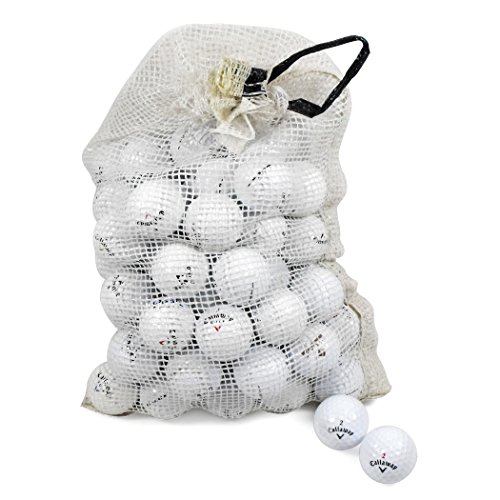
The Callaway 72-piece assortment brings together multiple Callaway models in a single onion-mesh bag. All balls are recycled but not altered in their original specifications, ensuring that performance characteristics stay close to their factory design. Washed and cleaned, these balls are ready for practice sessions and casual rounds where you want reliable feel without the premium price of new stock.
Because the set includes various models, you may notice differences in compression, spin, and flight among balls. This variety can be advantageous for practicing shot shaping and distance control on the range. It also makes this option a robust value for players who want diverse visuals and textures to test during a single practice block.
In terms of durability, Callaway’s recycling process typically focuses on removing major flaws and ensuring a clean surface. That makes these balls suitable for repeated sessions, forgiving surfaces, and use during winter practice when clean balls are harder to come by. They’re a practical bridge between full-price new balls and more limited-use practice balls.
Nike Recycled Golf Balls (Reload 24-Pack)
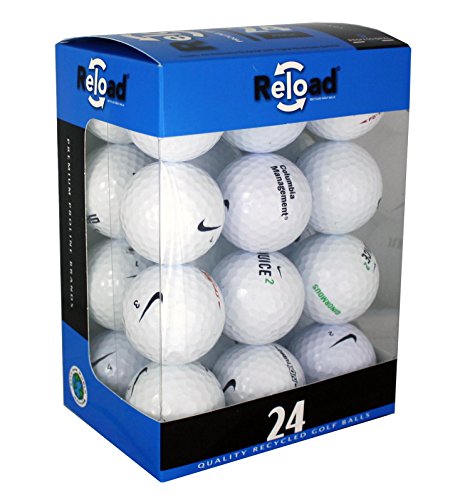
This 24-pack from Reload is presented as a cost-saving option for players who want to hit more balls without worrying about the sticker price. The listing highlights the idea of “well-used but still useable” golf balls, offering substantial savings off MSRP while maintaining playability. If you’re focusing on swing practice, distance control, and reliability over pristine appearance, these balls can be a solid match.
Key selling points include the balance of quality and value, with a focus on functional distance rather than premium feel. The packaging and labeling emphasize practical use for players who want to maximize practice time and minimize disruption to training routines. This option suits budget-minded players who still expect consistent performance from their practice balls.
The Nike-branded Nike-as-part-of-Reload lineup is widely known among bargain hunters for offering dependable rounds at a lower cost. For players who want to accumulate practice balls for the range and early-season rounds, this 24-pack provides a sensible compromise between price and performance.
Kirkland Signature Recycled Golf Balls

The Kirkland Signature 72-ball set is described as Near Mint AAAA grade, indicating a high-quality batch within the recycled category. The large quantity makes it a strong option for frequent players who practice often or have family rounds. The design emphasizes a large, soft core to maximize distance and an outer core that helps energy transfer for better ball speed.
For players who want a nearly-new feel at a lower cost, this option provides an attractive balance of performance and value. Kirkland’s reputation for reliable golf products aligns with expectations for consistent distance and predictable flight. The 72-count pack reduces the need for frequent reordering and keeps a steady supply in your bag for long practice days.
Durability and surface condition are typical considerations with recycled options. The combination of a large core and a performance-oriented outer layer aims to deliver friendly distance and acceptable spin control on mid-iron shots, making this a practical choice for range sessions and casual rounds alike.
Bridgestone Recycled Golf Balls

The Bridgestone option within Reload’s recycled lineup offers a practical 24-pack that’s suitable for routine practice and casual rounds. As with other recycled products, the emphasis is on reliable performance rather than pristine cosmetic appearance. The packaging notes the product origin in the United States and positions the balls as a recreation-focused choice.
For golfers who favor Bridgestone models but want a lower-cost alternative for practice or warm-up rounds, this set provides a sensible blend of distance and feel. While not all balls will perform like new, the assortment is well-suited to drills that require many repetitions, including alignment, tempo, and short-game practice. It pairs well with range sessions where volume matters as much as consistency.
Buying Guide
Buying second-hand or recycled golf balls requires evaluating several factors to maximize value and on-course performance. Here are key purchase considerations and multiple perspectives to help you choose wisely:
- Grade and condition: Recycled balls are commonly graded (e.g., AAAA, A, B, C). Higher grades tend to be closer to like-new feel and performance, while lower grades are best suited for practice or casual play. Understand the grade stated by the seller and how it aligns with your goals.
- Brand and model variety: A mixed-pack from a trusted brand can help you compare feel and flight across models. If you’re testing new swings or clubs, having a variety reduces the risk of relying on a single ball type during practice.
- Pack size and availability: Larger packs are more economical for frequent players. For beginners or occasional players, smaller packs may suffice while you refine your technique. Consider how often you practice and how many balls you typically lose per session.
- Condition indicators: Look for balls described as washed and cleaned with no major cuts, cracks, or severe blemishes. Surface damage can affect spin, flight, and durability, especially on short shots and around the greens.
- Feel and distance goals: Recycled and second-hand balls often deliver acceptable distance, but the feel may differ from new balls. Decide whether you prioritize distance, feel, or a balanced performance.
- Use-case alignment: Use practice-focused or warm-up rounds as primary targets for recycled balls. For competitive rounds or scoring attempts, consider keeping a separate set of new or premium balls to maintain consistency in performance and confidence.
- Storage and care: Keep balls in a cool, dry place to prevent moisture damage or swelling. Avoid exposing them to extreme temperatures, which can alter core properties over time.
- Ethical and environmental impact: Purchasing recycled balls supports a circular economy by extending ball life and reducing waste. This can be a meaningful factor for players seeking sustainable options.
- Price-to-performance balance: Compare the per-ball cost across different brands and grades. Higher savings can justify a higher-volume purchase if the playability remains reliable for your typical rounds.
Overall, second-hand golf balls offer meaningful value for practice and casual golf. By choosing trusted brands, understanding the grade, and aligning the purchase with your practice needs, you can optimize both budget and performance. Whether you’re building a practice bag, preparing for range sessions, or stocking spare balls for weekend golf, recycled options help you stay focused on your game without overpaying.