Choosing the right two-piece golf ball can unlock a balance of distance, feel, and durability for everyday play. This guide highlights five popular options, including two well-known two-piece models and a few context-building three-piece balls to help players compare construction and performance. Each entry includes a quick glance at how the ball is built, who it suits, and what to expect around distance, spin, and feel. A concise buying guide at the end covers key factors to consider when selecting a new ball, plus practical tips for evaluating performance on the course.
| Product | Brand | Type | Notable Benefit |
|---|---|---|---|
| KVV 2-Piece Distance Golf Balls | KVV | 2-Piece | Explosive distance with soft feel |
| Callaway Warbird Golf Balls | Callaway | 2-Piece | High ball speed and low drag |
| Kirkland Signature V3.0 3-Piece Urethane | Kirkland | 3-Piece | Soft core with urethane feel |
| Kirkland Signature 3-Piece Yellow Golf Balls | Kirkland | 3-Piece | Durable, visible yellow finish |
| agape VS3 3-Piece DuraPlus Balls | agape | 3-Piece | DuraPlus urethane cover and high-rebound core |
KVV 2-Piece Distance Golf Balls

KVV’s 2-piece distance ball emphasizes straightforward performance with a premium Surlyn outer shell paired to a high-energy core designed for maximum carry. The low-spin construction helps deliver a stable, penetrating flight, reducing the tendency to curve off line, which many mid-to-high handicappers appreciate when they want predictable results off the tee. The ball’s durability supports long rounds and repeated iron and wedge strikes without sacrificing feel. The softer response near the greens aims to balance distance with a reasonable, controllable short game—an important factor for players seeking a reliable all-around option. Durability, launch, and a soft feel often align well for recreational players seeking confidence on every hole.
Callaway Warbird Golf Balls
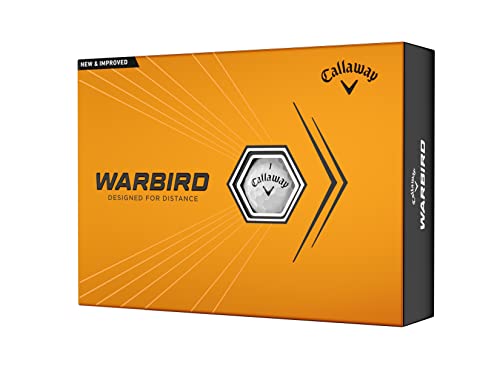
Callaway Warbird is designed to maximize ball speed with an extra-large, high-energy core that’s highly compressible, helping golfers unlock greater distance off the tee. HEX Aerodynamics reduces drag, promoting higher launch and a more consistent flight path for speed across clubs. The two-piece design pairs a tuned core with an ionomer cover to deliver solid greenside feel and dependable distance, making Warbird a practical option for players who want a reliable, affordable ball that performs well across a full round. The combination targets speed, launch, and a favorable balance of distance and control without a premium price tag.
Kirkland Signature V3.0 3-Piece Urethane

The Kirkland Signature V3.0 is a 3-piece urethane golf ball designed to balance distance, feel, and spin control. Its soft core improves driver distance while the mantle layer interacts with the urethane cover to optimize iron and wedge spin. As a USGA-certified ball, it follows the rules while delivering a refined feel around the greens. The three-layer construction typically offers greater forgiveness on mis-hits and improved contact with iron shots, which can appeal to players who want enhanced greenside performance without stepping up to a premium price. This model is often evaluated for feel, spin around the greens, and overall value against higher-end options.
Kirkland Signature 3-Piece Yellow Golf Balls

Kirkland Signature Version 2.0 Yellow presents a 3-piece urethane core design with a visibility-boosting yellow finish. The three-layer construction aims to provide improved distance, durability, and greenside control compared to traditional two-piece balls. The yellow color helps with tracking the ball in varied light and rough, which can be advantageous for players who want quick recognition after impact. Conformance to USGA and R&A rules is typical for Kirkland’s premium line, and the 24-pack format offers excellent value for players who practice regularly or rotate between balls during rounds or practice sessions.
agape VS3 3-Piece DuraPlus Balls

The agape VS3 uses a versatile 3-layer construction with a 39mm high-rebound soft core designed for long-distance straight shots and forgiveness on impact. The DuraPlus urethane cover adds durability and a soft feel, aiming to improve spin control while resisting cuts and abrasions around the greens. The exclusive mantle helps reduce driver-induced backspin, contributing to a smoother feel at impact and steadier flight. This model positions itself for players who want a balance of distance, control, and ruggedness across a round, including those with handicap considerations seeking dependable performance across clubs.
Buying Guide
Key factors when choosing a ball in the two-piece category involve understanding how construction affects performance. Two-piece balls typically emphasize distance and durability, often with a lower spin profile to promote straighter drives. Three-piece balls generally offer more nuanced feel and spin control around the greens, at the expense of some extra spin off the driver. Colors, price, and availability also play a role in daily play and practice routines.
2-Piece vs 3-Piece Performance
- Distance and durability: Two-piece balls usually deliver more distance on average and are built to withstand frequent contact with clubs, making them beginner-friendly and cost-effective for practice.
- Feel and greenside control: Three-piece balls tend to deliver softer feedback and more spin with irons and wedges, aiding short-game precision but may require a steadier swing to maximize benefit.
- Wind and rough conditions: The higher spin potential of some 3-piece models can help with control in favorable conditions but may be more sensitive to off-center hits in adverse weather.
Key Purchase Considerations
- Construction and core design: Decide between two-piece (distance-oriented) and three-piece (spin and feel). Consider your typical scoring clubs and swing speed.
- Cover material: Urethane covers generally offer better greenside feel and spin control than ionomer covers, though they can be less durable and pricier.
- Distance vs control: If you prioritize straight, long tee shots, a two-piece model with a low-spin profile may suit you. If you want sharper irons and wedges, a three-piece ball could yield more feel and precision.
- Durability and price: 24-pack or dozen options provide value for practice. Durability matters for days when you play through rough surfaces or uneven lies.
- Regulatory compliance: Ensure the ball is USGA/R&A conforming if you play in organized events and follow competition rules.
- Visibility and color: Yellow or high-visibility finishes can improve trackability in various light conditions or weather.
- Weather and temperature: Ball performance can shift with temperature; some balls perform better in cooler or warmer climates depending on core and cover materials.
Bottom line: For players prioritizing distance and predictability, two-piece models like the KVV and Warbird offer strong value and straightforward performance. If your game emphasizes feel around the greens, consider three-piece options like Kirkland’s V3.0 or agape’s VS3 to add spin control without sacrificing distance. Use a short trial to compare feel, trajectory, and greenside response across your typical clubs to choose the best fit for your swing and scoring goals.