For many players, the right 50 compression golf ball can balance distance with a softer feel on impact. These balls are designed for swing speeds that benefit from a lower compression core, delivering longer off the tee while preserving control around the greens. Below, five popular options in this category are examined, highlighting how their cores, dimples, and covers translate to performance. Use this guide to compare list price value, consistency, and on-course feel to help choose the best 50-compression ball for your game.
| Product | Key Benefit |
|---|---|
| Wilson Fifty Elite White 12 Pack | 50 compression with 302 PhD aerodynamics, stable flight, strong greenside spin |
| Wilson Fifty Elite Yellow 12 Pack | 50 compression, same dimple pattern for penetrating flight, easy visibility |
| Wilson Fifty Elite Green 12 Pack | 50 compression, flat-bottomed dimples, distance with greenside control |
| Wilson Staff Fifty Elite White | 50 compression, advanced rubber core, low driver spin with smoothing greenside feel |
| Kirkland Signature 50 Pack (LostGolfBalls) | Low-compression core for longer drives, soft feel, predictable spin |
Introduction: The category of 50-compression golf balls is popular among players who want a balance of distance and a soft, consistent feel. These balls typically feature a softer core matched with a cover designed to reduce driver spin while preserving control around the green. The following sections highlight five widely available options that athletes and recreational players commonly consider when shopping for a 50-compression ball. Each entry includes a quick overview, notable design features, and what makes the ball stand out for players with mid-range swing speeds.
Wilson Fifty Elite White 12 Pack

The Wilson Fifty Elite line is built around a 50 compression core designed to maximize distance while maintaining feel. The White 12-pack features the 302 PhD aerodynamics dimple pattern with flat-bottomed, shallow dimples that cut through air for stable, penetrating flight. A high-energy rubber core contributes to longer carries with greenside spin, while the cover is tuned to minimize driver spin without sacrificing on-green responsiveness. This combination supports dependable performance for players seeking consistency off the tee and around the greens.
- Core: 50 compression with a responsive rubber formulation
- Dimples: 302 PhD pattern for stable flight
- Cover: Balances distance with soft feel near the greens
- Visibility: Clean white finish for easy alignment and tracking
Wilson Fifty Elite Yellow 12 Pack

The Yellow variant shares the same construction as the White version, including the 50 compression core and the 302 PhD dimple pattern. The high-visibility color improves tracking in bright conditions and helps with alignment on the approach. The core’s low driver spin delivers distance, while the cover maintains enough greenside friction to support spin control on shorter shots. Players who prefer clearer color cues without compromising performance may favor the yellow option for practice rounds and windy days.
- Color: High-visibility yellow for line-of-sight on course
- Distance: Low driver spin from the core and cover pairing
- Feel: Soft yet responsive around greens
- Durability: Built to withstand frequent play with less scuffing
Wilson Fifty Elite Green 12 Pack

The Green version of the Fifty Elite mirrors the White and Yellow models in core and dimple design, emphasizing a 50 compression core designed to reduce driver spin while providing solid greenside performance. The green color offers an alternative for players who prefer a different visual cue during practice and rounds. The model’s stability in flight helps golfers stay on target even when facing moderate wind, and the soft cover helps with touch around the greens without adding excessive spin that could compromise distance.
- Core: 50 compression for a balance of distance and feel
- Flight: Stable, penetrating trajectory via the dimple design
- Spin: Reduced off the tee, controlled greenside spin
- Appearance: Distinctive green color for quick recognition
Wilson Staff Fifty Elite White

The Wilson Staff Fifty Elite is positioned as elite-level performance within the 50 compression family. Its core emphasizes distance while a responsive cover helps manage greenside spin, creating a well-rounded ball for players who value a confident feel off the driver and crisp stopping power on approach shots. The 50 compression level complements mid-to-fast swing speeds by enabling smoother energy transfer at impact, which many players find beneficial when casting about the fairways and into the greens.
- Performance tier: Staff line design for more precision
- Core: High-energy for extended distance
- Spin: Optimized for lower spin off the tee with adequate greenside control
- Feel: Soft but responsive under contact
Kirkland Signature 50 Pack (LostGolfBalls)
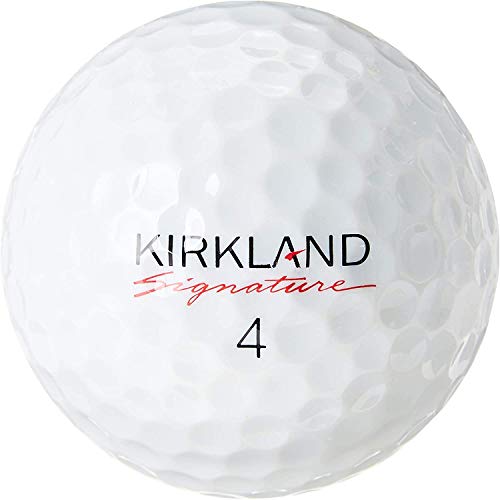
LostGolfBalls’ Kirkland Signature 50 Pack emphasizes a low-compression core designed to promote longer drives with reduced spin from the tee. The ball is marketed as offering a soft feel without sacrificing distance, making it a versatile choice for players who prioritize forgiveness and consistency. In addition, the model’s predictably low spin characteristics help keep shots straighter for players who may experience slice or hooks. This option appeals to budget-conscious golfers seeking reliable performance in a large-value pack.
- Core: Low compression for extended distance with less spin
- Feel: Soft on contact for a comfortable feel
- Performance: Predictable spin characteristics for consistency
- Value: Large 50-pack offers a cost-effective option for practice and rounds
Buying Guide: Key Factors When Choosing a 50-Compression Golf Ball
Choosing a 50-compression golf ball involves balancing feel, distance, and control. When assessing options, consider how each ball’s core, cover, and dimple pattern influence flight, spin, and feedback. Players with mid-range swing speeds often benefit most from these balls, but personal preference and course conditions matter just as much as material construction.
- Swing speed alignment: 50 compression is generally favorable for mid-range and moderate swing speeds. Players with faster swings may still prefer 50 compression if they prioritize feel and greenside control; otherwise, a slightly firmer core may be more suitable for higher launch with less spin.
- Core design: A softer core typically lowers driver spin and enhances feel, while a firmer core can offer slightly more control and durability. Compare core chemistry to determine if distance or feel is prioritized for your game.
- Dimples and flight: Dimple pattern affects trajectory stability and wind resistance. Look for patterns designed to deliver penetrating flight and consistent spin across shots from different lies and conditions.
- Cover material and durability: Softer covers feel nicer around greens but may wear faster with frequent play. Consider durability if you play many rounds weekly or play in rough terrain.
- Color and visibility: High-visibility colors (yellow, green) aid alignment and tracking in certain light, which can improve consistency on approach shots and around the green.
- Packaging and value: In a 50-pack, price-per-ball matters. Compare duty cycles—how often balls are replaced or recycled—and the real-world durability of the ball under normal course conditions.
- Playing conditions: Temperature and humidity can affect compression perception. In colder weather, you may notice a stiffer feel; in warmer climates, the same ball may feel softer.
Perspective and practice plans vary by player. Some golfers may test multiple 50-compression models to identify which feels most confident at their preferred distance and control on greens. Others may combine several ball types for different rounds—using a 50-compression model off the tee for long drives, and a different ball around greens to optimize spin control. The optimal choice depends on swing characteristics, course conditions, and personal preferences for feel and feedback.