Choosing anti-slice golf products can help players gain more confidence on the course by reducing unwanted sidespin. This guide highlights five highly relevant options, including self-correcting golf balls and an anti-slice aid, to help golfers achieve straighter, more consistent drives and iron play. All selections are designed to lower slices and hooks while maintaining distance and feel across various skill levels.
| Product | Brand | Key Benefit |
|---|---|---|
| Polara Golf Self-Correcting Golf Balls – Ultimate Straight | Polara Golf | Major anti-slice and hook correction with soft feel |
| Polara Golf Self-Correcting Golf Balls – Extra Distance | Polara Golf | Self-correcting for straighter flights with added distance |
| HODL 21 FlightFix Golf Ball Shaped Anti-Slice | HODL 21 | Compound reduces side spin for straighter, longer shots |
| HoneyGolf HoneyStick Anti Slice Gel | Honey Golf | On-clubface anti-slice/anti-hook gel for quick touchups |
| The Original Slic Stic by JP Lann Golf | JP Lann | Anti-slice and anti-hook stick to reduce adverse spin |
Polara Golf Self-Correcting Golf Balls – Ultimate Straight

Polara Ultimate Straight Self-Correcting Golf Balls are designed to reduce hooks and slices by at least 75%. A unique dimple pattern converts unwanted spin into straight-backspin, helping golfers of all levels improve accuracy and control on every shot. The balls offer a soft feel, balancing performance with comfort for a smoother swing and better feedback at impact. Their anti-slice and hook-correction tech targets common miss-strikes, delivering a more predictable flight path for straighter, more consistent results.
Polara Golf Self-Correcting Golf Balls – Extra Distance
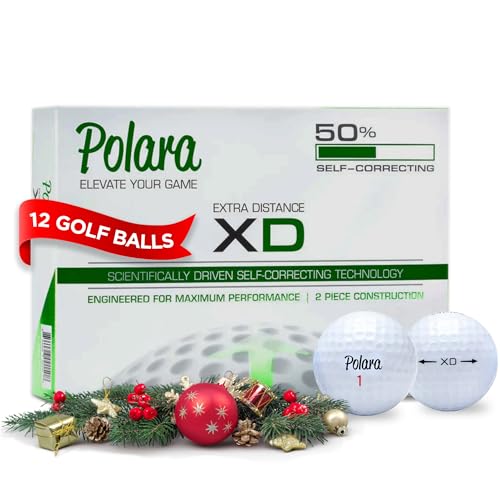
Polara Extra Distance Self-Correcting Golf Balls also reduce hooks and slices, with a stated improvement in flight straightness. A distinct dimple pattern helps convert unwanted sidespin into straighter, more controllable backspin. They feature a soft feel suitable for players seeking comfort and better control without sacrificing distance. Anti-slice and hook-correction tech aim to minimize stray sidespin on all full shots, contributing to more reliable distance from tee to green.
HODL 21 FlightFix Golf Ball
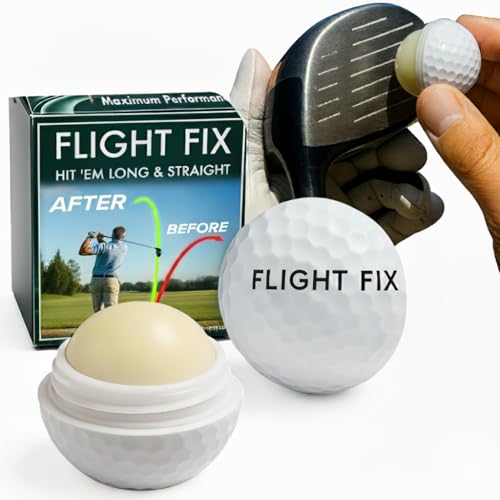
FlightFix uses a hidden, compact design that resembles a golf ball but hides a powerful anti-slice formulation. By applying a thin, uniform layer to the clubface at impact, it reduces surface friction and minimizes gear effect, lowering side spin. The result is straighter, longer shots with enhanced carry. Its discreet look makes it a pocket-friendly tool for on-course adjustments, suitable for players seeking non-swing changes to improve accuracy.
HoneyGolf HoneyStick Anti Slice Gel

HoneyStick Anti Slice Gel is designed to optimize friction at impact, encouraging centered strikes for higher ball speed and longer carry. The gel applies quickly to the clubface with no-mess packaging and fits easily into a pocket or golf bag for on-the-go adjustments. The weather-resistant formula supports performance across varying conditions, making it a practical addition to any player’s toolkit for slice management and consistency throughout a round.
The Original Slic Stic by JP Lann Golf

The Original Slic Stic provides a tangible anti-slice and anti-hook solution in a portable stick form. It claims to reduce adverse spin, improving distance and accuracy by correcting hooking and slicing tendencies. The compact design makes it a convenient, discreet aid to use on driving range sessions or before rounds when players want a quick, non-swing-based adjustment to ball flight.
Buying Guide
When selecting anti-slice golf products, consider these key purchase considerations to align with your goals and play style:
- Product type and compatibility: Self-correcting balls work by design to reduce spin, while aids like gels and sticks modify club impact or swing-distance factors. Choose based on whether you want a ball-based solution or a corrective aid.
- Swing characteristics and skill level: Beginners and high-handicap players often benefit most from anti-slice designs, while low-handicap players may use them to fine-tune trajectory and distance control.
- Distance vs. feel: Some products emphasize distance with a soft feel; others prioritize feel or feedback at impact. Decide which attributes influence your consistency most.
- Dimple pattern and construction: Dimple configurations influence spin, backspin generation, and flight stability. Studies and manufacturer data can guide expectations for straighter results.
- Practical on-course use: Consider pocketability or ease of application for aids (like gels) and whether you prefer a ready-to-play ball set or a sporadic correction tool.
- Regulatory considerations: Ensure any self-correcting balls comply with relevant governing-body rules for official play if you intend to use them in sanctioned rounds.
- Maintenance and durability: Some aids are designed for long-term use with weather resistance; others are single-use or limited-use options. Factor in durability and cost per round.
- User experience and feedback: Reviews highlighting real-world performance help validate whether a product’s claimed spin reduction translates to meaningful on-course improvement.
Overall, anti-slice products aim to reduce sidespin, increase accuracy, and preserve distance. Reading product features and user reviews can provide practical expectations about how these tools perform under different weather conditions, grass types, and swing speeds. For most players, a combination approach—using self-correcting balls for practice rounds and an on-course aid for adjustments—offers a balanced path to more reliable ball flight.